24/7 Water Damage Restoration in Denver, CO
Burst pipe, flooded basement, sewage backup, appliance leak, or storm water intrusion? WaterDamageDenver.com helps Denver property owners connect with local restoration professionals for emergency water extraction, drying, cleanup, and documentation.
Prefer to talk now? Call (983) 226-1070
What Happened?
Choose the situation closest to yours. These pages explain what to do, when to call, and how water damage restoration professionals usually approach the job.
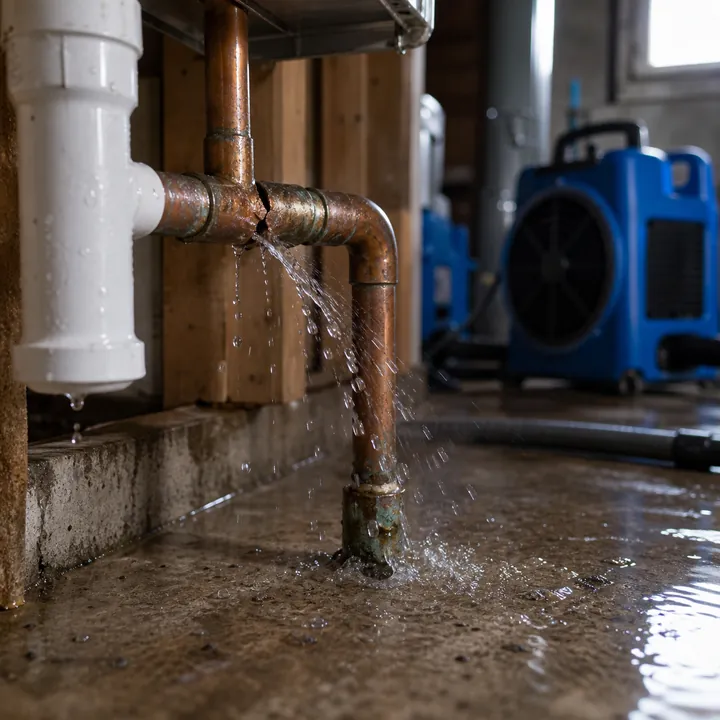 Burst Pipe CleanupFrozen pipe, split supply line, ceiling leak, or wet wall cavity.
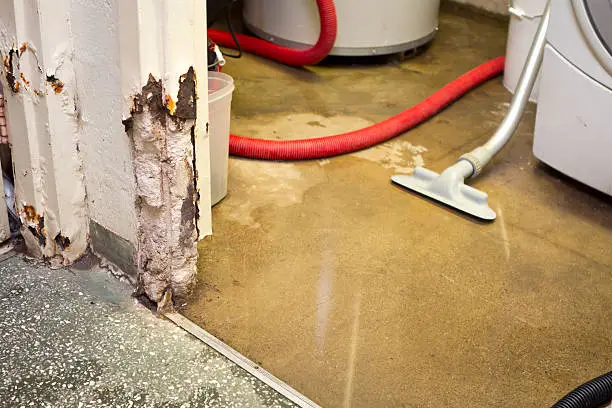 Flooded Basement CleanupStanding basement water, seepage, sump issues, snowmelt, or storm runoff.
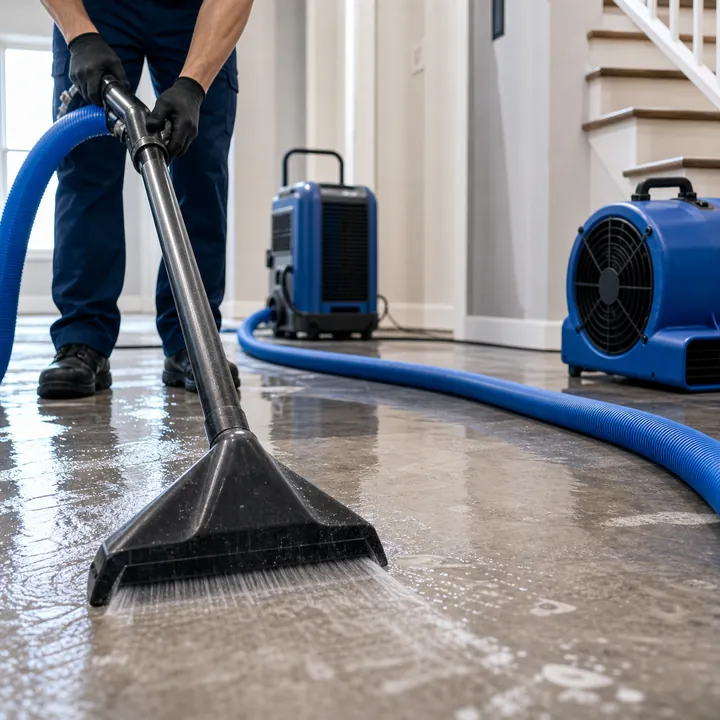 Emergency Water RemovalWater extraction for wet floors, carpets, basements, and active leaks.
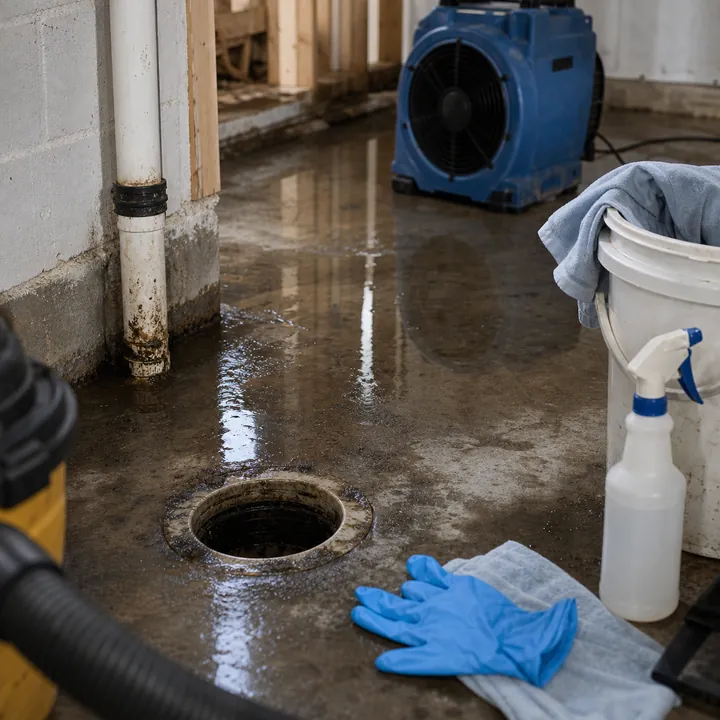 Sewage Backup CleanupContaminated water, floor drain backups, odor, and sanitizing needs.
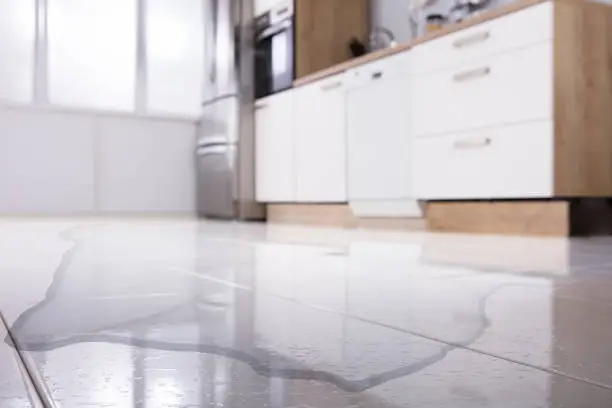 Appliance Leak CleanupWasher, dishwasher, refrigerator line, water heater, or supply-line leak.
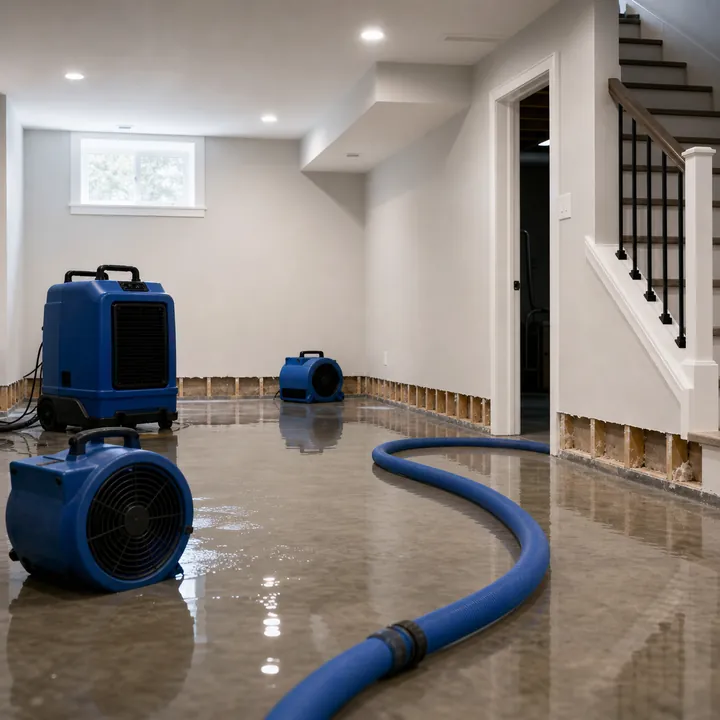 Storm Water DamageRoof leaks, window leaks, storm runoff, and basement intrusion after weather.
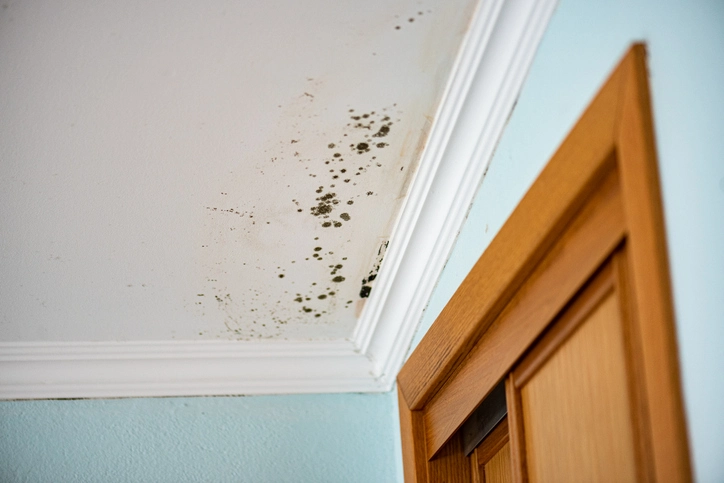 Mold After Water DamageMusty odor, staining, delayed drying, or moisture concern after a leak.
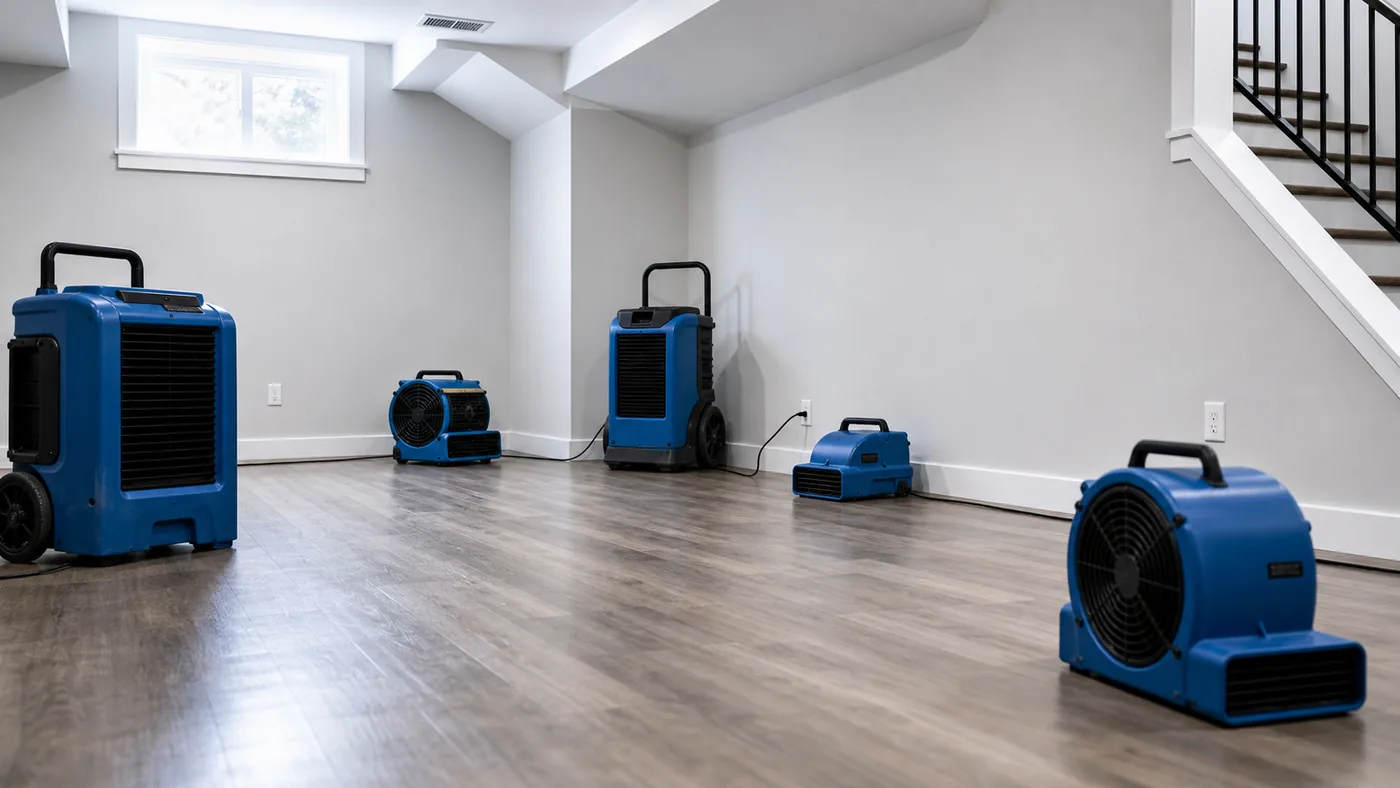 Commercial Water DamageWater damage help for offices, retail spaces, managed spaces, and property managers.
Denver Water Damage Services
WaterDamageDenver.com helps connect property owners with local professionals for water extraction, water mitigation, drying, cleanup, and next-step documentation across the Denver metro area.
Restoration process and cleanup stages
Learn how inspection, extraction, mitigation, drying, documentation, and repair planning usually fit together.
Emergency water damage help
Urgent help for active leaks, spreading water, ceiling leaks, and unsafe water situations.
Emergency water extraction
Standing water is removed before it soaks farther into carpet, floors, walls, or basements.
Water mitigation
Moisture mapping, drying, and dehumidification help stabilize the property before repair.
Hidden leak and moisture inspection
Ceiling stains, musty odor, warped flooring, and damp walls may point to hidden water damage.
Flooded basement cleanup
Basement water may involve concrete, drywall, insulation, storage, utilities, and humidity control.
Frozen and burst pipe cleanup
Frozen or split pipes can send water through ceilings, walls, cabinets, and finished rooms.
Sewage backup cleanup
Contaminated water should be avoided and handled with proper cleanup and sanitizing.
Appliance leak cleanup
Washer, dishwasher, water heater, and refrigerator leaks can damage cabinets, flooring, and subfloors.
Storm water intrusion
Denver storms can push water through roofs, windows, foundations, and basement entries.
Mold prevention after water damage
Fast drying, humidity control, and moisture checks help reduce mold risk.
Commercial water damage response
Property managers and businesses need fast communication, access coordination, and downtime reduction.
Water damage repair
Repair planning for drywall, ceilings, flooring, trim, cabinets, and paint after drying.
Flood damage restoration
Large water events, storm flooding, sump failures, and basement flood cleanup.
Fire damage restoration
Adjacent cleanup for smoke, soot, odor, and suppression-water damage after a fire event.
Flooded Basement Help in Denver
Basement flooding in Denver can come from heavy rain, snowmelt, sump pump failure, burst pipes, sewer backups, or drainage problems around below-grade rooms and window wells. Standing water can quickly affect flooring, drywall, insulation, stored contents, and mechanical areas. For emergency steps, water extraction, drying, and cleanup information, see our dedicated flooded basement cleanup in Denver page.
How the Process Works
Call or request callback
Share what happened, your ZIP code, whether water is active, and any safety concerns.
Safety and source questions
The first conversation should identify electrical risk, sewage, standing water, and whether a plumber is needed.
Inspection and moisture mapping
A provider may check flooring, walls, cabinets, baseboards, and nearby rooms for hidden moisture.
Water extraction
Standing water and saturated materials are addressed so drying equipment can work effectively.
Drying and dehumidification
Air movers and dehumidifiers are used based on materials, temperature, humidity, and readings.
Cleanup notes and next steps
Photos, affected-material notes, drying logs, and repair recommendations can help keep the job organized.
Denver Metro Service Areas
Calls and form requests may be sent to local providers serving Denver and surrounding communities. Availability depends on the assigned provider. Nearby city pages include Aurora water damage restoration and Littleton water damage restoration.
Water Damage Restoration FAQ
What To Do In The First 10 Minutes
Water damage feels chaotic because several decisions happen at once. The safest first move is to slow down, look for immediate danger, and take only the actions that do not put you in the path of electricity, contaminated water, falling materials, or active flooding. If the property is safe to access, the first few minutes can make the rest of the cleanup easier to explain and document.
- Shut off the water source if you can reach the valve safely.
- Avoid standing water near electrical outlets, panels, cords, appliances, or mechanical systems.
- Keep children and pets away from affected rooms, basements, and sewage areas.
- Take photos and videos before moving items if it is safe.
- Move valuables, paperwork, electronics, and soft goods to a dry area if safe.
- Call a landlord, property manager, building engineer, or HOA if the property is not solely yours.
- Call a plumber if water is still actively leaking from plumbing or a fixture.
- Call for restoration help if water reached floors, walls, cabinets, carpet, ceilings, or basements.
- Do not assume surfaces are dry just because they look dry.
Emergency note
If there is fire, electrical shock risk, structural danger, gas odor, or a life-threatening emergency, leave the area and call 911 first. This site can help with water damage provider connection, but it is not a substitute for emergency public safety services.
What Not To Do After Water Damage
Some well-intended cleanup steps can make a water damage situation harder to document or less safe. The goal is not to ignore the problem. The goal is to avoid actions that create electrical risk, spread contamination, hide the source, or remove useful documentation before the damage is understood.
- Do not use a household vacuum on standing water.
- Do not enter standing water near electrical sources.
- Do not run fans across sewage-contaminated areas.
- Do not tear out flooring, drywall, cabinets, or trim before documenting the damage unless safety requires it.
- Do not wait several days if walls, flooring, trim, cabinets, or carpet are wet.
- Do not assume bleach solves hidden moisture or mold risk.
- Do not turn on appliances or electrical systems that may have been exposed to water.
How Water Travels Through A Denver Home
Water rarely stays only where it first appears. Drywall can wick water upward from the floor line. Baseboards and trim can hide moisture at the wall edge. Carpet pad can hold water even when the carpet face begins to feel less wet. Subfloors can swell, buckle, or delaminate below finished flooring. Cabinet toe kicks can trap moisture in kitchens, bathrooms, laundry rooms, and basement bars.
Finished basements need special attention because water can move behind framed walls, below floating floors, beneath stored contents, and around mechanical rooms. A ceiling leak can travel along framing before it stains the drywall below, which means the visible mark may not be directly under the source. Concrete basement floors can also hold moisture longer than expected, especially when humidity is high or airflow is limited.
Common Water Damage Situations in Denver
Denver properties can experience water damage from frozen pipes, finished basement flooding, spring snowmelt, sudden thunderstorms, roof leaks, sewer backups, water heater failures, dishwasher leaks, washing machine overflows, refrigerator ice maker lines, and hidden plumbing leaks. Freeze and thaw cycles can stress supply lines and exterior-wall plumbing. Spring runoff can expose weak points around basement entries, window wells, and low points near foundations.
Established neighborhoods may have older plumbing and homes with layered renovations. Newer homes and townhomes may still have appliance supply-line failures, upstairs laundry leaks, and finished basement moisture. Small commercial spaces can have restroom, roof, water heater, and mechanical-room issues that require clear access and careful communication. The right response depends on the source, how long materials were wet, whether the water is clean or contaminated, and whether structural materials are affected.
Insurance Documentation Basics
Documentation can make the event easier to explain later. Photograph the source if it is visible. Photograph affected rooms, flooring, ceilings, walls, cabinets, contents, and water lines before items are discarded. Save plumber invoices and notes about when the damage was discovered. Ask the provider about moisture readings, affected-material notes, drying equipment, and drying logs when those are part of the job.
Coverage depends on the policy, cause of loss, timing, and documentation. This site does not promise coverage or claim approval, and this information is not insurance or legal advice.
Who This Site Is For
WaterDamageDenver.com is built for homeowners, tenants, landlords, property managers, and small business owners who need a fast path to water damage help in the Denver metro area. Most visitors are dealing with water on the floor, a wet ceiling, a flooded basement, a broken pipe, a sewage backup, or a leak they cannot fully trace yet. The purpose of this site is to make the next step simple: call, describe what happened, and get connected with a local restoration professional who can discuss inspection, extraction, drying, cleanup, and documentation.
When To Call For Water Damage Help
- Water is standing on floors, carpet, or basement surfaces.
- A pipe, water heater, appliance, roof, window, or drain recently caused water damage.
- Walls, ceilings, cabinets, trim, or flooring feel wet, swollen, stained, or soft.
- There is a musty odor after a leak or flood.
- Sewage or contaminated water may be involved.
- Water may have reached electrical outlets, panels, appliances, or mechanical systems.
- You need photos, moisture notes, or documentation for insurance next steps.
- You are not sure how far the water traveled behind walls or under flooring.
How Your Request Is Handled
When you call or submit the form, the goal is to understand the situation quickly: where the property is located, what caused the water damage, whether water is still active, whether sewage is involved, whether there are safety concerns, and when the damage started. Your request may then be sent to a local restoration provider that can discuss inspection, extraction, drying, cleanup, and next steps.
Why This Site Keeps Claims Simple
WaterDamageDenver.com does not publish unverified reviews, certifications, arrival promises, staff names, or office addresses. Those details should only be shown when they are tied to a verified local provider. This keeps the site honest for visitors and makes sure homeowners are not relying on claims that have not been confirmed.
Get Help With Water Damage in Denver
Water damage can spread behind walls, under flooring, into cabinets, and through basement materials. If the area is safe to access, take photos, stop the water source if possible, keep away from electrical hazards, and call for help quickly. For fire, shock risk, structural danger, gas odor, or a life-threatening emergency, call 911 first.
What To Have Ready When You Call
You do not need to diagnose the whole problem before asking for help. A clear description is enough. If it is safe, be ready with the property address or ZIP code, the room where the water started, the rooms where water is visible now, and whether the source is still active. Mention whether the property is a home, apartment, rental, managed building, office, retail space, or other commercial property.
Try to describe the water source in plain language: burst pipe, toilet or drain backup, water heater, dishwasher, washing machine, refrigerator line, roof leak, window leak, storm runoff, or unknown source. If you are not sure, say that. Also mention whether the water is standing, whether carpet or walls are wet, whether sewage may be involved, and whether the area is near outlets, panels, appliances, furnaces, or other mechanical systems.
Why Same-Day Action Matters
Water damage can become harder to understand when materials stay wet. Carpet pad can hold moisture after the surface looks improved. Baseboards can hide damp drywall edges. Cabinets can trap water under toe kicks. Finished basements can conceal wet insulation, wall cavities, and flooring layers. Same-day action does not guarantee a specific outcome, but it can help limit confusion, improve documentation, and give the assigned provider a clearer picture of the original damage.
If you already cleaned up some water, that is okay. Keep any photos you took, note what was moved, and describe what the area looked like before cleanup. If a plumber, landlord, property manager, HOA, roofer, drain company, electrician, or appliance technician has already been contacted, keep those notes and invoices together.
Water damage can spread behind walls, under floors, and into basements.
Call now for emergency help in Denver.